


Fire Alarm Systems
Systems that instantly detect a possible fire scenario and warn people against this situation with various warnings are collectively known as fire alarm systems. The use of fire alarm systems in a building is perhaps the most important weak current system.
Once a fire is detected, the critical question is: How will the people in the building be alerted to this danger and how will they be evacuated? Fire alarm systems are designed to handle exactly this task. Detectors detect the fire; the alarm system then converts this information into audible and visual alerts to safely guide people outside. On this page, we discuss the alarm components—buttons, sirens, strobe lights, and voice evacuation systems—in detail.
If you’re curious about how fires are detected (detector types and detection technology), you can check out our page where we cover the topic in detail:
Generally speaking, fire alarm systems include the following elements:
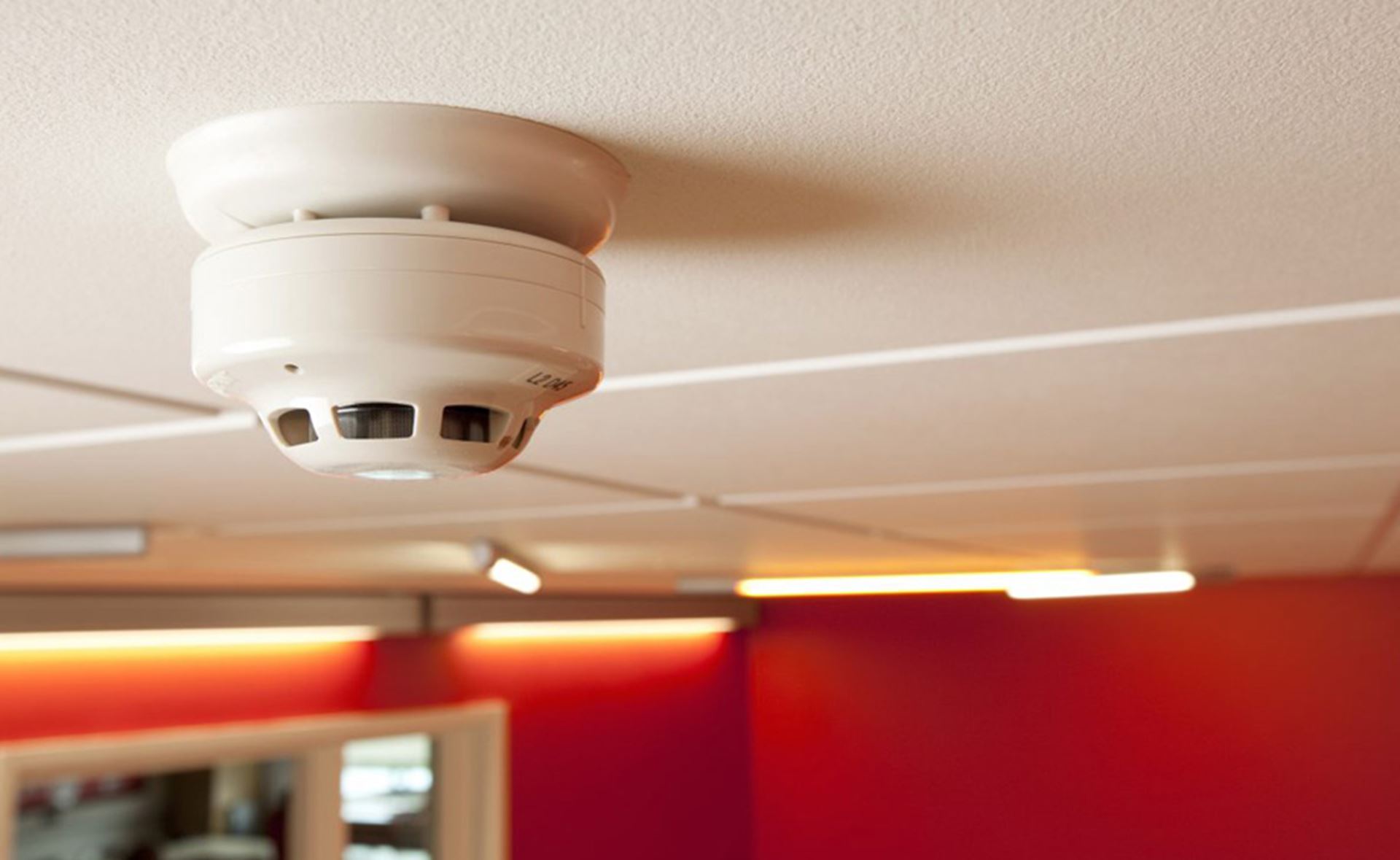
- Detectors (optical smoke detector, heat detector, combination detector, gas detector, beam detector, optical smoke detector, etc.)
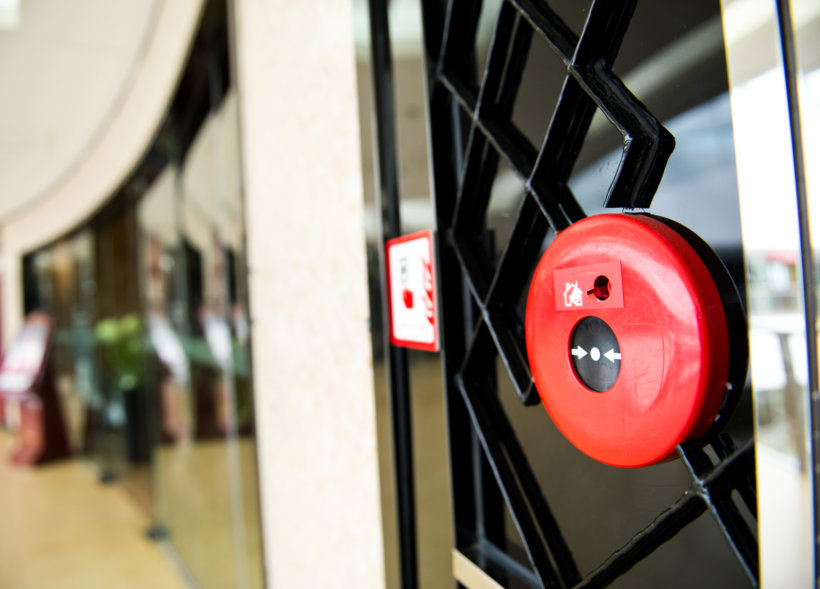
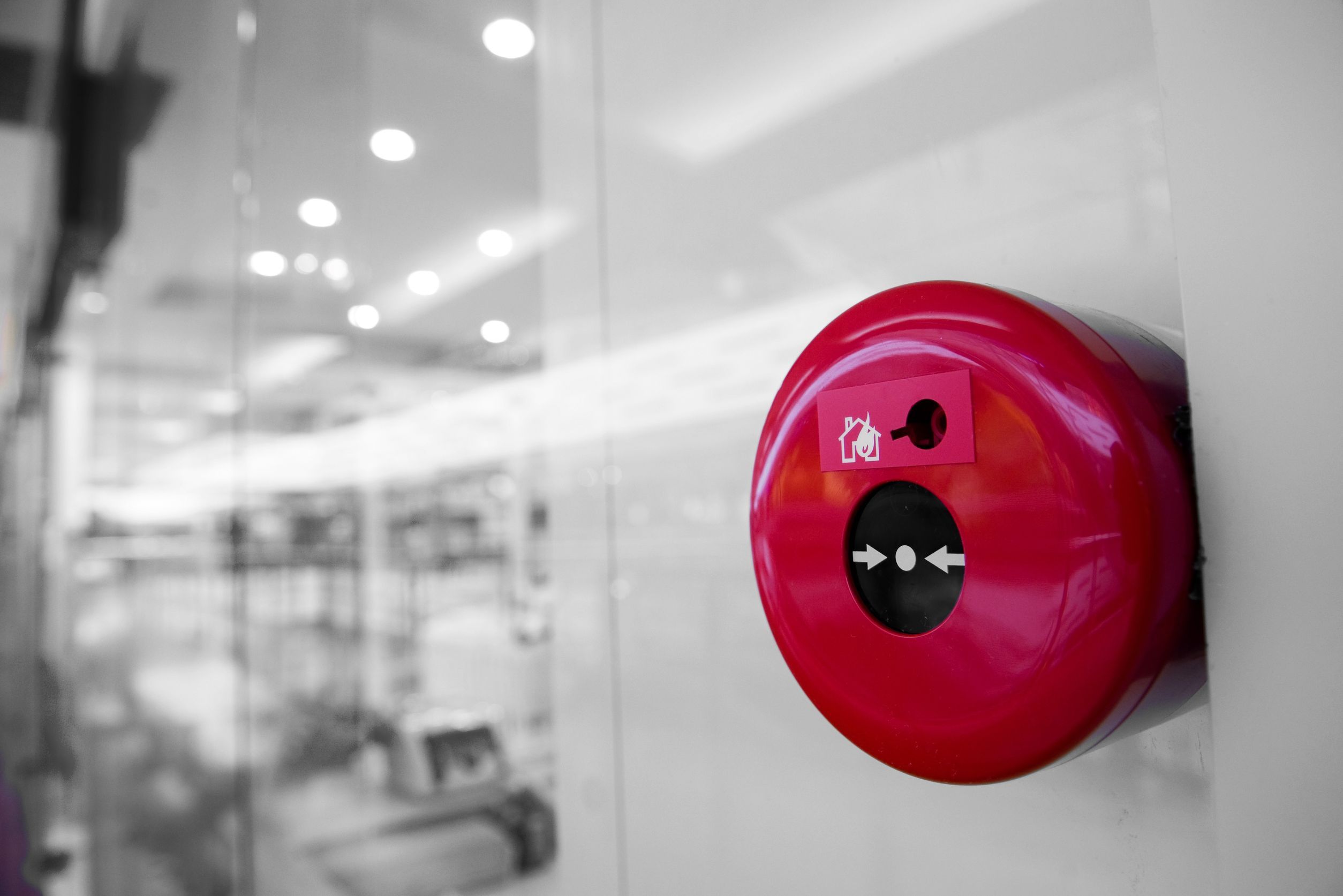
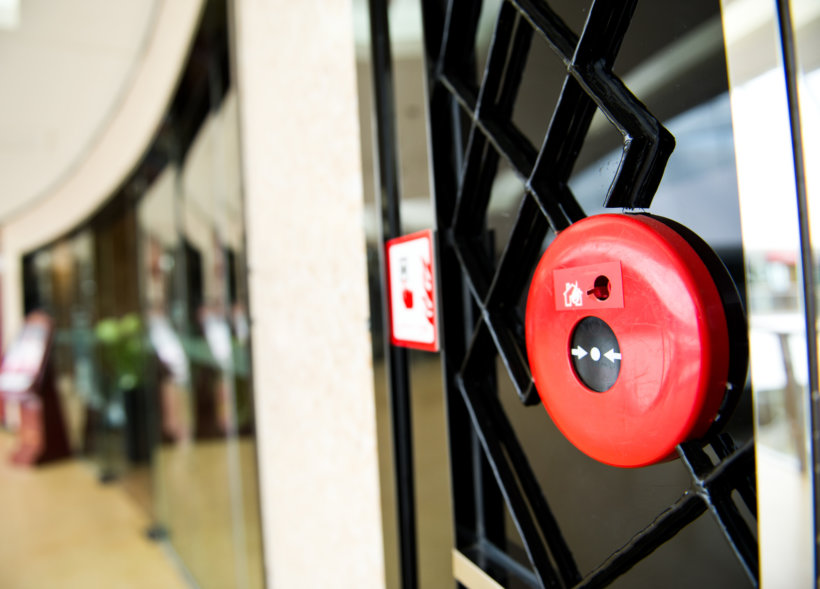
- In case of fire, people can activate the manual warning system in fire alarm systems by using the fire buttons.
- Sirens and flashers that warn people with sound and light in emergency situations
- Input/Output modules used to communicate with and switch a different system on and off in case of fire
- Management and control panels for this system.

Fire alarm systems should be built according to certain criteria as they work safely and directly affect human life. The certificates show that it is produced in accordance with the standards required for a fire alarm system. Test results from certified laboratories and independent organizations are used in issuing these certificates. Our company, Dijinet, complies with the quality requirements determined by the European Union under the title of EN54 for fire alarm systems.
Advantages of Fire Alarm Systems
There are two basic types of fire alarm systems produced in terms of functionality and operating methods. One of them is addressable fire alarm systems and the other is conventional fire alarm systems.
Addressable fire alarm systems are used to detect the exact location of the fire on a point-by-point basis, especially for medium and large-sized businesses or buildings. In such large facilities, it is very important to quickly detect which detector or detectors caused the fire and to take the necessary precautions.
Dijinet Fire Alarm Systems Features
The most basic feature of addressable fire alarm systems is that each part of the system has a unique address and is in constant communication with the main control panel. This allows the instantaneous status of each detector in the system to be determined. Addressable fire alarm systems are much more functionally adaptable than traditional solutions and allow system design with various scenarios.
Conventional fire alarm systems, such as those offered by Dijinet, operate on a zone-based system and display only the zone from which the alarm originated on the control panel. Since they are more cost-effective than addressable systems, they are preferred in small-scale buildings with large volumes and few independent sections. Addressable systems, on the other hand, identify each device by its unique address, providing the advantage of pinpoint detection in large, multi-section buildings. The correct choice is determined during the site survey based on the building’s size and the number of sections.
Frequently Asked Questions
Where and at what height should the fire alarm button be installed?
Alarm buttons should be installed on every floor along exit routes, on stair landings, and next to doors leading outside, at a height of 1.4 meters above the floor. The walking distance to reach a button must not exceed 30 meters.
What should the decibel level of a fire alarm be?
Fire alarm devices must provide a sound level of at least 65 dB in all areas of the building. At bedside locations (hotel rooms, dormitories, hospitals), this value must be at least 75 dB. Sirens must comply with the EN 54-3 standard.
In which buildings is a voice alarm system required?
A voice alarm system must be installed in hotels, motels, and dormitories with more than 200 beds, as well as in all non-residential buildings exceeding 51.50 meters in height.
Are fire alarm systems and fire detection systems the same thing?
They are two functions of a single system. The detection component detects the fire (detectors); the alarm component alerts people and manages the evacuation (buttons, sirens, strobe lights, voice evacuation). Both are designed together for a building.
What measures are taken for people with hearing impairments?
Audible alerts alone are not sufficient. In environments where people with hearing impairments are present and in areas with high ambient noise, visual warning devices (strobes) must be used.